But it isn’t automatic – not by a long-shot
“The day the child realizes that all adults are imperfect, he becomes an adolescent; the day he forgives them, he becomes an adult; the day he forgives himself, he becomes wise.” — Alden Nowlan
When I grow up, I want to become an adult.
That may sound strange because I’m 53, but I’ve learned that grown ups and adults are very different beings.
An adult is grown up, but a grown-up is not always an adult.
And age has nothing to do with it.
There are plenty of people in their fifties, sixties, and beyond who still operate as grown-ups, or more accurately, grown-up adolescents.
And there are teens, and even children, who are anything but grown-up, yet act more like the adults than their elders.
In other words, adulthood isn’t an automatically inherited trait just because we get older, it’s an earned one.
Not by paying rent, having a child, finding a job, or by getting married. But through a way of acting and living.
So, what are the main differences between a grown-up and an adult, and how do we become more adult-like?
Gap Insight: We see grown-up adolescents and even grown-up children every day on our TV’s, in the movies, and in our lives. True adults are much more rare. They’re like mountain lions in the Hollywood hills – they’re around, they’re just hard to find.
The Difference
Adulthood is an ideal we strive for like true love, complete authenticity, or unwavering discipline. Grown-up-hood is where we automatically land at a certain age or stage of life.
Life flows better when we’re standing in our adult selves. Which we do in some areas of our lives more easily than others.
Many people easily operate as adults when it comes to their professions. They are incredibly skilled, reliable, responsible, and work with the utmost integrity.
Yet, in their personal relationships, or when it comes time to lead others, those same people can revert to being adolescents.
You can tell you’ve reverted to being a grown-up when you blame your teams or partners for your unhappiness or your problems, deny your impact on others, or fail to communicate with total honesty.
We’ve all been there. Every one of us. Sometimes, often.
If you look at where you are succeeding most right now – as a parent, partner, friend, athlete, leader, or professional – you’re probably acting as an adult in that area (or those areas) of your life.
On the other hand, if you examine where you’re struggling the most in your life right now (in your health, relationship, leadership, profession, etc.), or where you’re feeling stagnant or stuck, that’s the area you’re likely operating as a grown-up adolescent.
That’s not a condemnation or judgment, it’s an invitation to expand.
Gap Insight: When acting as adults, we are able to solve problems with greater ease because we carry a more broad perspective and are open to numerous possibilities. As grown-ups, we see the world through a more narrow lens, thereby limiting our options and our solutions.
The Difference
Here are some more differences between our adult selves and our grown-up adolescent selves:
When acting as adults, we…
- Assume responsibility for everything in our lives – the failures and successes.
- Enjoy learning about ourselves, others, and the world.
- Look to expand our sense of self, evolve our perspective, expand our emotional depth, and work to deepen our connection with ourselves and others.
- Thrive in growth, connection, and contribution, and ultimately become “of service” to others without compromising our boundaries, principles, character, or sense of self.
- Embrace ourselves and others with greater inclusivity vs. exclusivity, equality vs. inequality, and oneness. vs divisiveness.
- Seek the truth in all things – no matter how uncomfortable that truth may be.
- Trust ourselves and don’t feel the need to control others.
When acting as grown-up adolescents, we…
- Become guided by the core needs for emotional safety, belonging, mattering/significance, and fitting in.
- Can let shame sneak in often.
- Often feel stuck in our lives, resist change, and sometimes hold others or the outside world accountable for our unhappiness, health, and choices.
- Often refuse to budge on our opinions, perspectives, and values – even when the evidence proves we have been misled or are seeing things from a distorted viewpoint.
- Operate as if the world revolves around us, making us less sensitive, understanding, or empathetic towards others.
- Try to control our emotions, outcomes, and others – often through manipulation.
There’s no right or wrong, good or bad – only a mental and emotional state that contracts our lives or expands it.
Gap Insight: If you want to be happier, healthier, and create more intimacy, or if you wish to become a better partner/leader/friend, then begin to recognize when you’re being a grown-up and seize every opportunity to step more into your adult.
Final Thoughts
I came across a fantastic quote that sums it up our journey into adulthood pretty well:
“Moving into adulthood is like heading to the vet. We’re all the dogs that were excited for the car ride until we realized where we’re going.”
Being the adult is not always easy, but it’s the path to greater power and responsibility.
Where in your life have you been operating as your grown-up adolescent self, and where would like to step more into your adult self?
Who in your outer world – leaders, actors, politicians, celebs, thought leaders, personal friends, family, or co-workers – acts as an adult?
Conversely, who acts as an adolescent grown-up? Or even a grown-up child?
Each of us can be adults in some situations and children or grown-up adolescents in others. Yet, some people live more often in their adult, and others live more often in their adolescent, or even their child.
When we recognize these states in others and in ourselves, we can better choose who we wish to be and how we want to show up for others.
Keep in mind that adults:
- look for responsibility rather than run from it
- thrive in honesty rather than duck it
- treat others as equals rather than treating them as threats
- protect their own boundaries and respect those of others
- aren’t afraid to be vulnerable
- serve a higher purpose greater than themselves
We need to learn to embrace more of our adult selves if we want to narrow the gap between where we are and where we want to be in our relationships, leadership, impact, or success.
Reach out if you want strategies to align yourself with your adult in more areas of your life.
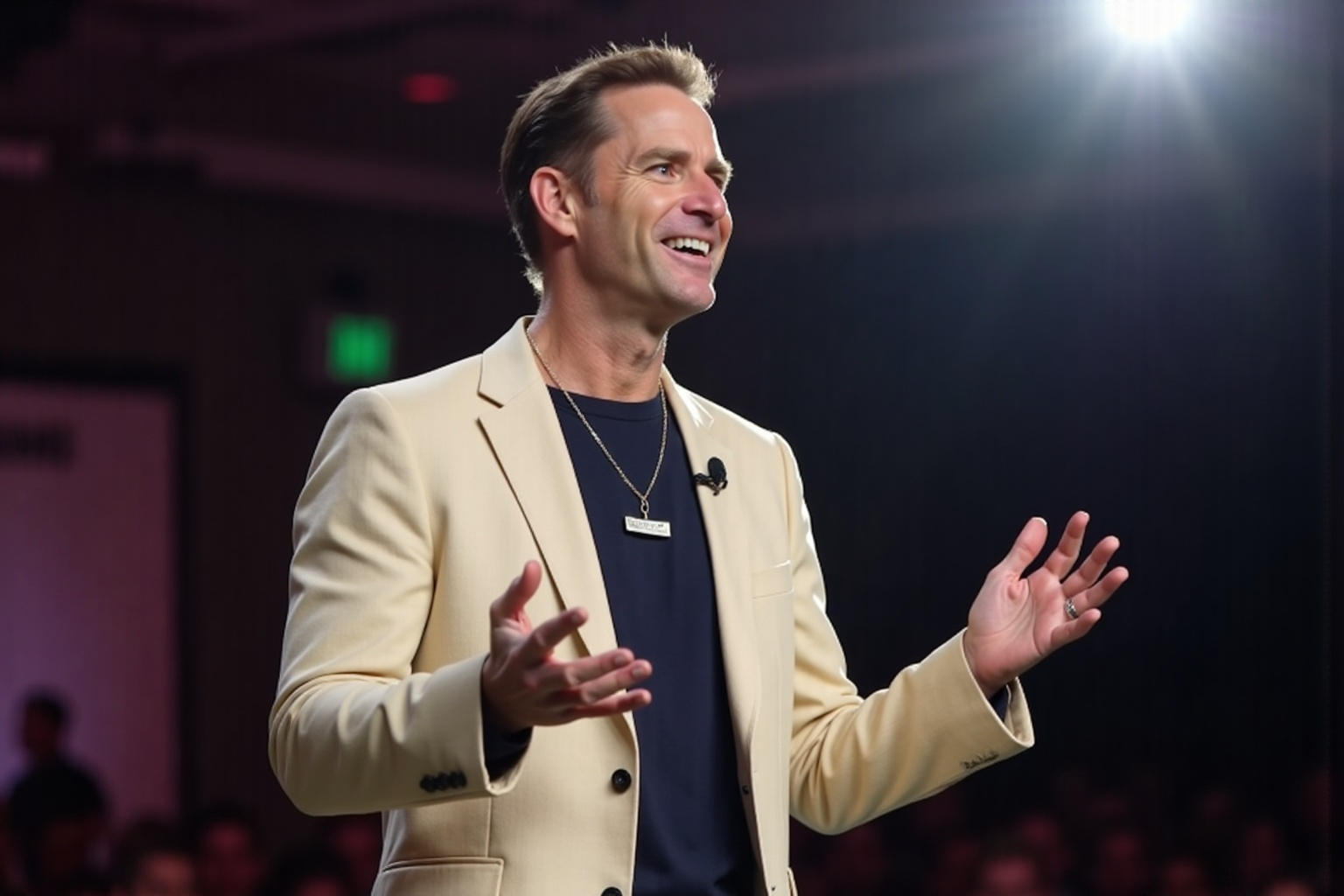
I’m a keynote speaker, life counselor, and executive coach. If your organization or company is looking for a speaker for your next event, or if you’re working through a particular challenge and wish to work one-on-one with me, please reach out!
